Beyond Tokyo: How Nipponbashi Quietly Built Japan's Most Interesting Tech Ecosystem
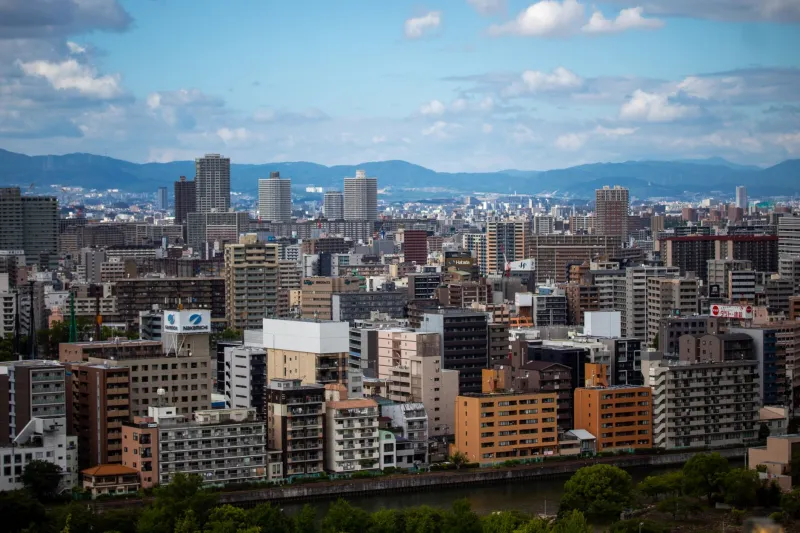
We're a little biased here at RabbitNet Nipponbashi — obviously. We're literally named after the place. But even setting that aside, there's a genuinely compelling story unfolding in this corner of Osaka that doesn't get nearly enough airtime in Western tech media. While journalists keep their cameras trained on Tokyo's Shibuya startup corridors and Roppongi Hills pitch events, Nipponbashi has been doing its own thing for decades. And honestly? The results are fascinating.
So let's dig in.
A District That Grew Up Around Curiosity
Nipponbashi's identity as a technology hub didn't emerge from a government whitepaper or a venture capital thesis. It grew organically, the way the best tech communities tend to. Starting in the postwar era, the district became Osaka's go-to destination for electronics components — the kind of place where hobbyists, repairmen, and tinkerers could find a capacitor, a transistor, or a circuit board without placing a six-week mail order.
That culture of hands-on hardware curiosity never really left. Even as the district evolved to include gaming arcades, anime retailers, and eventually modern gadget shops, the underlying DNA stayed the same: people who want to understand technology, not just consume it. That's a subtle but important distinction, and it's one that shapes everything from the kinds of businesses that survive here to the conversations you'll overhear in a coffee shop.
For American readers, think of it less like Silicon Valley and more like what would happen if Radio Shack's best customers built an entire neighborhood — and then that neighborhood kept evolving for 70 years.
The Maker Underground Nobody Talks About
Beneath the visible layer of retail stores and gaming centers, Nipponbashi has a thriving maker community that operates largely off the international radar. Small workshops, shared fabrication spaces, and informal hacker collectives populate the side streets and upper floors of buildings that look, from the outside, like ordinary storefronts.
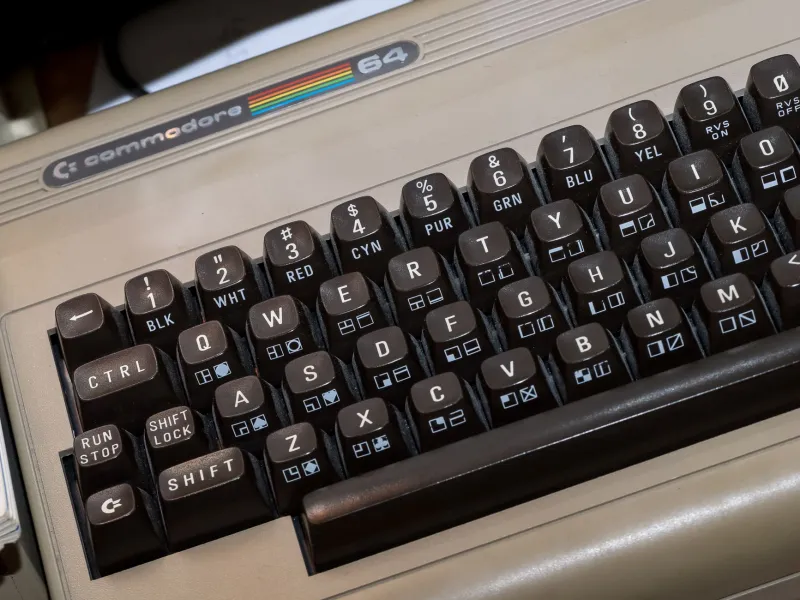
These groups work on everything from custom mechanical keyboards and open-source robotics to retro hardware restoration and embedded systems projects. What's notable is how permeable the boundaries are — a weekend electronics market stall operator might also be running firmware for an IoT startup during the week. A vintage console collector might moonlight as a hardware modder with a YouTube following in the tens of thousands.
This cross-pollination is harder to engineer than it sounds. Many American tech hubs struggle precisely because their ecosystems are too segmented — enterprise software people don't interact with hardware hackers, and neither group has much contact with the creative community. Nipponbashi's physical density and its long history as a place where all kinds of tech enthusiasm are welcome means those walls don't really exist here.
Startup Incubation, Osaka Style
In recent years, Osaka's city government and private investors have layered more formal startup infrastructure onto Nipponbashi's existing culture. Incubator programs, co-working spaces, and accelerators have moved into the district, drawn by the talent pool and the energy. But here's what's interesting: the most successful of these programs have been the ones that worked with the existing community rather than trying to replace it with a more polished, Tokyo-adjacent version of startup culture.
Startups emerging from Nipponbashi tend to have a hardware fluency that's relatively rare. When your co-founder spent their teenage years pulling apart game consoles two blocks away, your product development conversations look different. There's less of the "we'll figure out the physical stuff later" attitude that has sunk many a promising American hardware startup.
The incubators here also operate at a different pace. The pressure to raise a Series A in 18 months and pivot to enterprise SaaS isn't quite as suffocating. Some of that is cultural, sure, but some of it is structural — when your district's economy isn't entirely dependent on VC money flowing through a single zip code, you have more room to breathe.
What American Cities Are Getting Wrong
The US has been trying to replicate Silicon Valley in secondary cities for years now. Austin, Denver, Pittsburgh, Raleigh — they've all had the "next Silicon Valley" label attached to them at one point or another. Some have made genuine progress. But a lot of these efforts share a common flaw: they're trying to copy the output of Silicon Valley (startups, venture capital, IPOs) without understanding the inputs (curiosity culture, technical depth, community permeability).
Nipponbashi offers a different template. It suggests that a healthy tech ecosystem might grow better from the bottom up — from the hobbyist shops, the repair culture, the weekend markets, the informal knowledge-sharing — than from the top down via economic development grants and corporate campus construction.
Cities like Detroit, with its existing maker culture and manufacturing heritage, or Philadelphia, with its dense concentration of universities and technical talent, might find the Nipponbashi model more actionable than anything coming out of Sand Hill Road.
The Distributed Future
One more thing worth noting: Nipponbashi's success as a tech hub has never depended on it being Japan's biggest tech hub. Tokyo holds that title and probably always will. But Nipponbashi doesn't need to win that race. It's built something distinct — a community with its own identity, its own strengths, and its own way of doing things.
For American cities anxious about their place in the tech economy, that might be the most valuable lesson of all. You don't have to be the next Silicon Valley. You just have to be genuinely, authentically yourself.
We think that's a pretty good philosophy. Then again, we're RabbitNet Nipponbashi. We would say that.