Pilgrimage Mode: The American Tech Faithful Are Coming to Nipponbashi — And We Get It
I want to tell you about something I saw last spring, right around the corner from the RabbitNet Nipponbashi office.
A guy — American, mid-30s, wearing a Teenage Engineering t-shirt, which felt appropriate — was standing outside one of the used electronics shops on Denden Town's main strip. He was holding a Sharp X68000 computer. Just holding it, with both hands, like he'd pulled Excalibur from a stone. His friend was filming on a phone. Neither of them was saying anything.
I don't know if he bought it. I hope he did. But that moment — that specific quality of awe — is something I've been watching play out more and more frequently on these streets. American tech enthusiasts are coming to Nipponbashi on purpose, specifically to hunt for old hardware. And the numbers are growing.
This is the retro-tech tourism phenomenon, and it's worth talking about.
Why Nipponbashi, Specifically
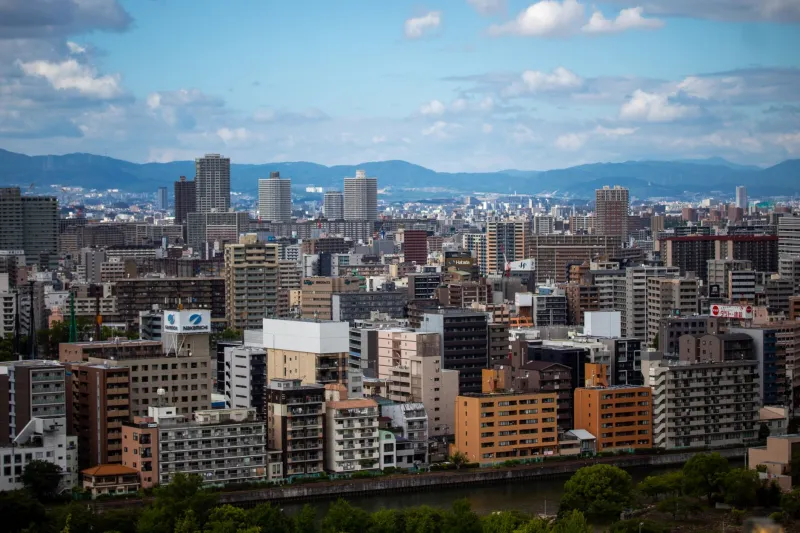
Japan has several electronics districts that attract collectors. Akihabara in Tokyo is the most famous internationally, and it deserves its reputation. But Nipponbashi — Osaka's version, sometimes called "Denden Town" — has its own distinct character that serious collectors have come to appreciate.
Where Akihabara has become increasingly polished and tourist-friendly (which is great for some things, less great for others), Nipponbashi retains more of its original scrappy, utilitarian energy. The shops here are more likely to have actual bins of unsorted components, actual back rooms with actual weird stuff in them. The hunting is real hunting. You might find a mint-condition PC-88 next to a pile of broken Famicom peripherals and a box of mystery cartridges with the labels worn off.
For collectors, that unpredictability is the whole point. You're not browsing a curated selection — you're doing archaeology.
The Nostalgia Engine
Let's be honest about what's driving this. American tech culture is in the grip of a serious nostalgia cycle, and it's not hard to understand why. The people who grew up in the 1980s and 90s — playing NES games, messing around with DOS machines, reading Nintendo Power — are now in their 30s and 40s, with disposable income and a growing sense that the tech landscape of their childhood was actually pretty interesting.
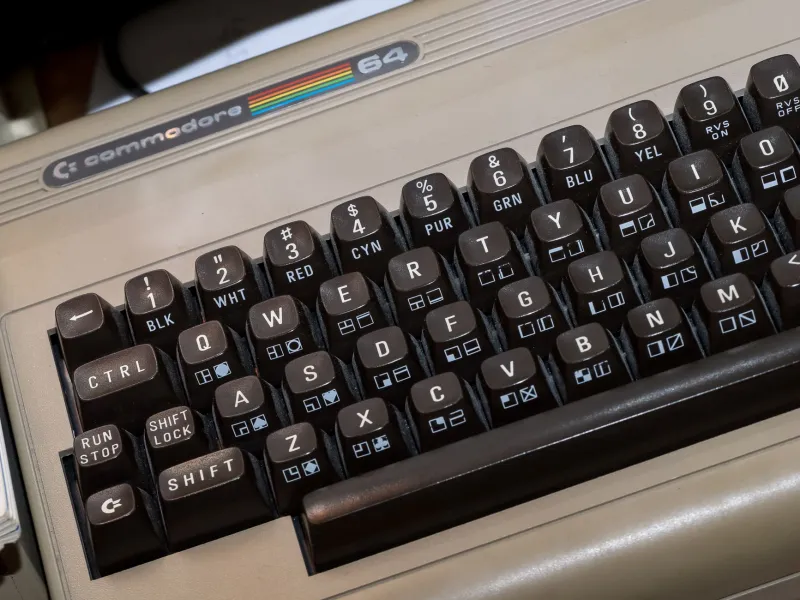
Retro gaming has been mainstream-adjacent for years now. But the appetite has expanded well beyond NES cartridges and Super Nintendo controllers. Collectors are now chasing Japanese-exclusive hardware that never made it to American shores — the PC Engine, the MSX computers, the Sharp X68000, the NEC PC-98 series. These machines represent an alternate history of personal computing, one that unfolded in Japan while American users were getting IBM PCs and Apple IIs.
For a certain kind of tech enthusiast, that alternate history is irresistible. And the only place to really access it is Japan.
Japan's Relationship With Old Technology
There's something culturally specific about why Japan is such a productive hunting ground for vintage tech. Japan has historically maintained a stronger repair culture than the US — the instinct to fix and preserve rather than discard and replace runs deep. This means that hardware which might have ended up in a landfill in America instead ended up in storage, then in secondhand shops, then in the bins of Nipponbashi.
Japan also has a complicated relationship with nostalgia that manifests differently than the American version. There's a concept sometimes described as a reverence for things that have served their purpose — objects accumulate a kind of dignity through use. Old electronics aren't just junk; they're artifacts. That cultural attitude has helped preserve an extraordinary amount of hardware that would simply not exist anymore if it had spent the last 40 years in the US.
The result is that Nipponbashi's shops contain hardware that American collectors have seen only in YouTube videos and museum exhibits. Coming here isn't just shopping. It's time travel.
The Community That Made This Happen
None of this would be possible without the online communities that have been documenting, cataloging, and evangelizing Japanese retro hardware for years. Forums, subreddits, Discord servers, and YouTube channels dedicated to Japanese vintage computing have built up a body of knowledge — and, crucially, a shared enthusiasm — that has turned individual curiosity into a genuine subculture.
Content creators who visit Nipponbashi and post their hauls have had an outsized effect on this trend. A single video of someone finding a mint-condition PC-98 or a boxed copy of a rare MSX game can send dozens of viewers to their nearest flight search engine. We've talked to shop owners here who have noticed the uptick in foreign visitors — particularly Americans — and who attribute at least part of it to this kind of content.
The collector community has also developed its own informal infrastructure to support the tourism: guides to specific shops, advice on shipping fragile hardware internationally, recommendations for which train exits to use, which stalls are worth arriving early for. It's become genuinely organized.
What This Means for the District
From our perspective here at RabbitNet Nipponbashi, the retro-tech tourism trend is mostly a good thing — with a few caveats. The increased international visibility is great for the district's economy and its profile. Shops that might have been struggling are finding new customers. There's renewed energy in parts of the district that had been feeling the pressure of online retail.
The caveat is the one that comes with any tourism boom: prices rise, the most desirable items get harder to find, and there's a risk that the authentic, utilitarian character of the district gets sanded down in favor of something more visitor-friendly. We'd hate to see Nipponbashi turn into a theme park version of itself.
For now, though, the balance feels right. The guy with the Sharp X68000 outside the shop — that moment of genuine discovery, of finding something real — that's still what this place is about.
If you're an American tech enthusiast who's been thinking about making the trip, our honest advice is: go sooner rather than later. Bring bubble wrap. And maybe learn a few words of Japanese before you start digging through the bins. The shop owners appreciate the effort, and you'll have a better time.
We'll be here when you arrive.